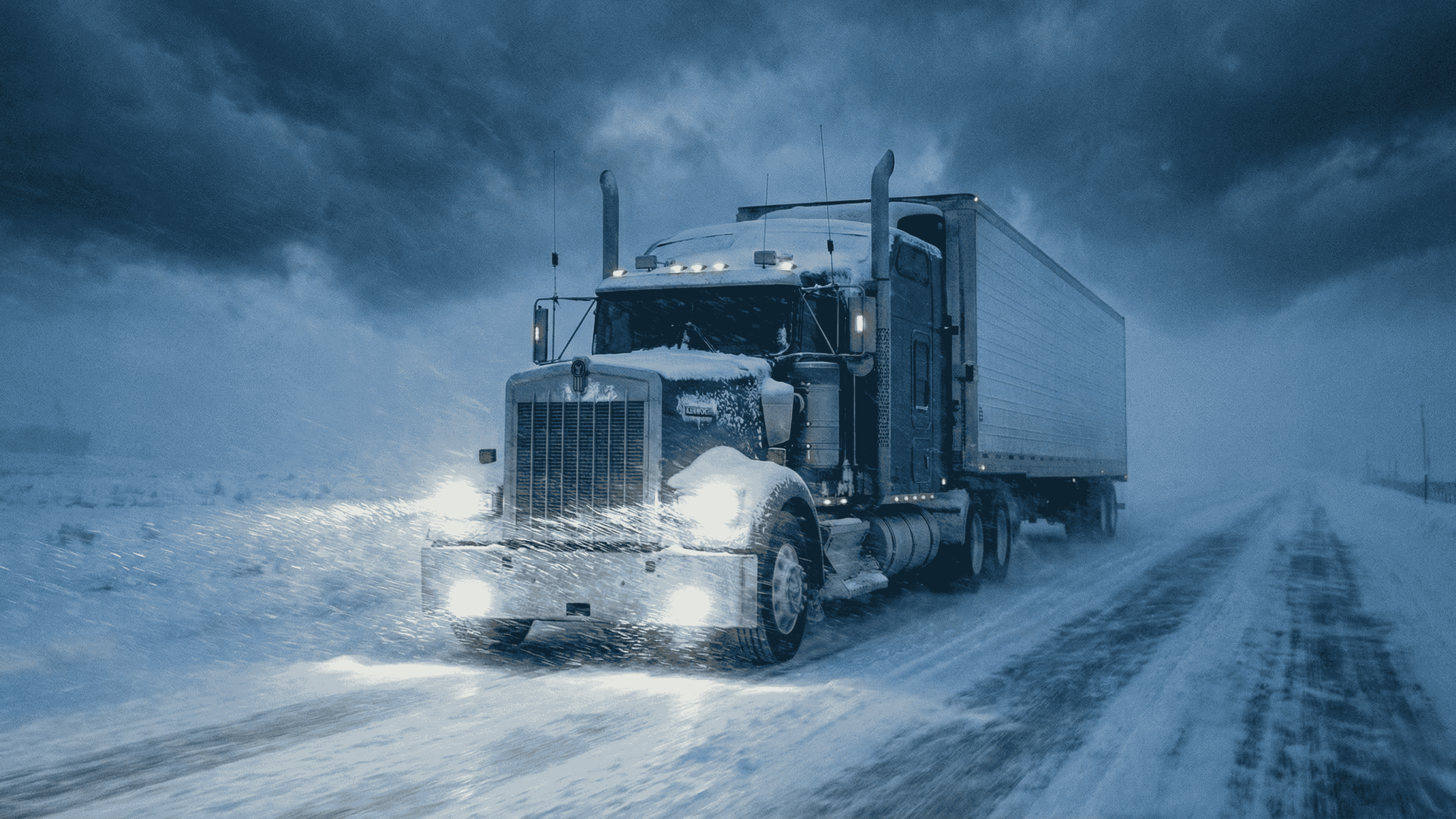
We often talk about supply chain strategy in terms of years and decades—focusing on geopolitics, trade agreements, and "friend-shoring." But as recent reports on shipping logistics from Wired remind us, sometimes the biggest immediate threat to your bottom line isn't a trade war; it’s a "Mega-Storm."
With two-thirds of the U.S. frequently staring down extreme snow and ice during the winter months, the logistics industry is facing a massive, recurring stress test. For businesses, this isn't just a weather report—it’s a severe legal and operational warning.
Why "Business as Usual" is a Dangerous Mindset
Logistics experts often joke that a massive snowstorm is "just another Tuesday." But as a supply chain litigator, I see what happens when that "Tuesday" turns into a month-long contractual dispute.
Here is how I advise my clients to look at these disruptions and protect their operations:
1. The "Force Majeure" Trap: Is Your Contract Weather-Proof?
Many companies operate under the dangerous assumption that a severe storm automatically excuses them from their contractual obligations. It doesn’t. When disputes arise, courts look closely at whether the weather disruption was truly unforeseeable and if the parties took "commercially reasonable" steps to mitigate the impact. If your force majeure clause is outdated or vaguely drafted, a blizzard won't save you from a breach of contract claim.
2. When "Just-In-Time" Promises Fracture
When roads freeze from Texas to New York, the traditional "just-in-time" (JIT) delivery model reveals its deepest cracks. If your inventory and shipping strategy doesn't account for our current era of climate instability and polar vortexes, you aren't just risking late shipments. You are actively risking breach of contract claims from downstream partners who rely on your timely deliveries to keep their own doors open.
3. The Human Element & Labor Shortages
The Wired report acutely notes that many retailers and logistics hubs now rely heavily on independent contractors—drivers who often eat the cost of weather delays themselves.
This creates a severe secondary risk: predictable labor shortages exactly when you need drivers the most. A supply chain is only as strong as the people willing to move the freight in 20-below weather. If the financial incentives don't outweigh the risks for these drivers, your freight will sit on the dock.
The Bottom Line: Resilience is a Legal Safeguard
Resilience isn’t just a corporate buzzword; it’s a vital legal safeguard. Whether you are navigating a geopolitical pivot in Taiwan or a blinding blizzard in the Midwest, the ultimate goal of your supply chain strategy is the same: Predictability.
At IB Law Firm, I help businesses draft supply chain agreements that don't just work in the sunshine, but actively protect you when the storm hits. Don't wait for the ice to melt to fix your contracts.
Need to weather-proof your vendor agreements? I am Inna Brady, a business litigation attorney specializing in supply chain and cross-border disputes. I help companies turn logistical nightmares into manageable legal strategies.
Contact IB Law Firm Today!
Connect with Inna Brady on LinkedIn
Disclaimer: This post is not legal advice. This is for informational purposes only. Using or reading this information does not create an attorney-client relationship. Consult with a licensed attorney to address your specific issues. Do not act upon this information without seeking professional legal counsel.